English| EUR
Suggested for you
More currencies
Choose a language
The journey from Milano Centrale to Interlaken Ost covers roughly 280 kilometers through the southern Alps, crossing from Italy into Switzerland via the Lötschberg or Simplon corridors. Most travelers face a single connection, passport control at the border, and a total travel window of four to five hours. This guide walks through the rail options, timing considerations, and border formalities that shape the Milan-to-Interlaken route.
Quick answer
The journey from Milan to Interlaken takes approximately 4 to 5 hours by train, typically requiring one connection in Switzerland—most commonly at Brig, Spiez, or Bern. Trains depart daily from Milano Centrale starting at 06:00, with the best arrival window between 06:00 and 14:00 to maximize daylight for mountain views and onward connections. A valid passport is required for the Italy-Switzerland border crossing, and tickets must be purchased in advance through Swiss Federal Railways or other authorized carriers.
Every train leaving Milano Centrale for Interlaken Ost threads through one of Europe's most dramatic elevation gains, climbing from the Lombard plain at 122 meters to the Bernese Oberland at 567 meters in under five hours. The route is not direct—geography dictates a transfer, usually at Brig or Spiez, where northbound Intercity services meet the regional Lötschberg line into the Interlaken valley. That single connection is the hinge of the journey, and missing it can add an hour or more to your day. Milan to Interlaken travel by rail means crossing an international frontier. Italy and Switzerland both belong to the Schengen Area, so there are no passport stamps or formal immigration queues, but random document checks do occur on trains approaching the border at Domodossola or Brig. Carry a valid passport or national identity card; residency permits alone are not sufficient for non-EU travelers. The Swiss Federal Railways timetable treats the crossing as routine, but enforcement is unpredictable, and conductors will ask for documentation if prompted by border police. Departure timing shapes the experience. Early trains—those leaving Milano Centrale between 06:00 and 08:00—arrive in Interlaken by midday, when the Jungfrau massif is still lit and the lakefront promenades are open. Late-morning departures push your arrival into mid-afternoon, compressing the window for same-day excursions or onward connections to Grindelwald and Lauterbrunnen. The SBB schedule runs hourly through most of the day, but seat reservations are not required on domestic Swiss services, so boarding is flexible once you hold a valid ticket. The Lötschberg Base Tunnel, completed in 2007, shortened the trip by nearly thirty minutes, but it also stripped away the old mountain panoramas. Trains that bypass the tunnel—marked as scenic or regional routes—add time but restore views of the Rhône valley and the Aletsch Glacier's southern edge. If your priority is logistics, take the faster service. If the journey is part of the destination, check the SBB route map for trains that follow the historic line through Kandersteg. Tickets purchased directly from SBB or Trenitalia allow date flexibility within the fare class, but promotional rates and saver tickets lock you to a specific departure. Refund policies differ by carrier, and cross-border journeys fall under international fare rules, which are less forgiving than domestic Swiss or Italian ticketing. Read the terms before booking, especially if your Milan-to-Interlaken trip is part of a larger Alpine itinerary where delays or missed connections could cascade.
“The single connection at Brig or Spiez is the hinge of the journey, and missing it can add an hour or more to your day.”
The journey from Milan to Interlaken connects the industrial hub of Northern Italy to the Bernese Oberland region of the Swiss Alps. The most efficient route utilizes the international rail network via the Simplon Pass.
EuroCity from Milano Centrale to Domodossola, then regional train to Spiez, and local train to Interlaken Ost
A26/E62 and A2/A13 via the Simplon Pass
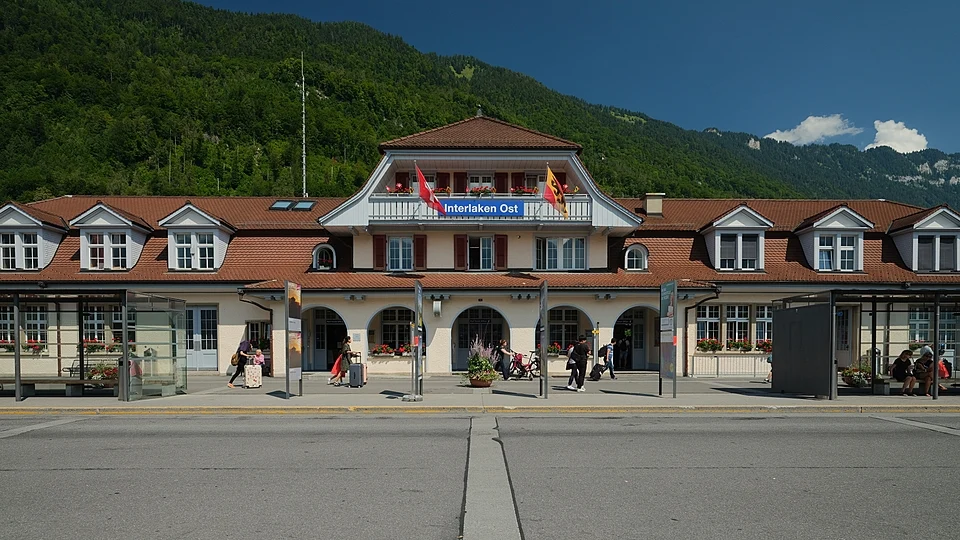
Travelers should aim for the arrival window of 06:00–14:00 to ensure clear visibility for mountain transit. Passengers depart from Milano Centrale, Piazza Duca d'Aosta, 1, 20124 Milano MI, Italy and arrive at Interlaken Ost, 3800 Interlaken, Switzerland.
Train transport between Milano Centrale and Interlaken Ost operates daily, providing continuous availability for planning your travel itinerary.
Travel costs from Milan to Interlaken are determined by dynamic rail pricing across international borders. A valid train ticket is required for all passengers crossing between Italy and Switzerland.
Verdict: An adult pays a variable rate based on the specific train operator and booking lead time.
Cross-border train travel between Italy and Switzerland requires valid documentation and advance booking for the smoothest journey.
Everything you need to know about how to get from milan to interlaken
You can travel by train from Milano Centrale to Interlaken Ost with transfers usually occurring in locations like Spiez or Brig. This route is the most efficient method for those researching how to get from milan to interlaken.
Seat reservations are generally not mandatory on Swiss trains, though they are recommended for the international leg from Italy. You must ensure you have a valid ticket for the entire journey before boarding.
The rail connection is considered the most reliable option for transit through the Alpine landscape. Planning your route carefully is essential for anyone figuring out how to get from milan to interlaken.
There are currently no direct trains connecting these two cities, meaning you will need to change platforms during your journey. Always check the official SBB schedule for the most accurate platform information.
The best arrival window is 06:00–14:00 to maximize daylight for scenic mountain views and smooth connections. Following this schedule helps ensure you reach your destination without rushing through transfers.
Border crossings for rail passengers are typically seamless, but you should always carry a valid passport or national identity card. Transit through the border zone is handled efficiently by the train operators.