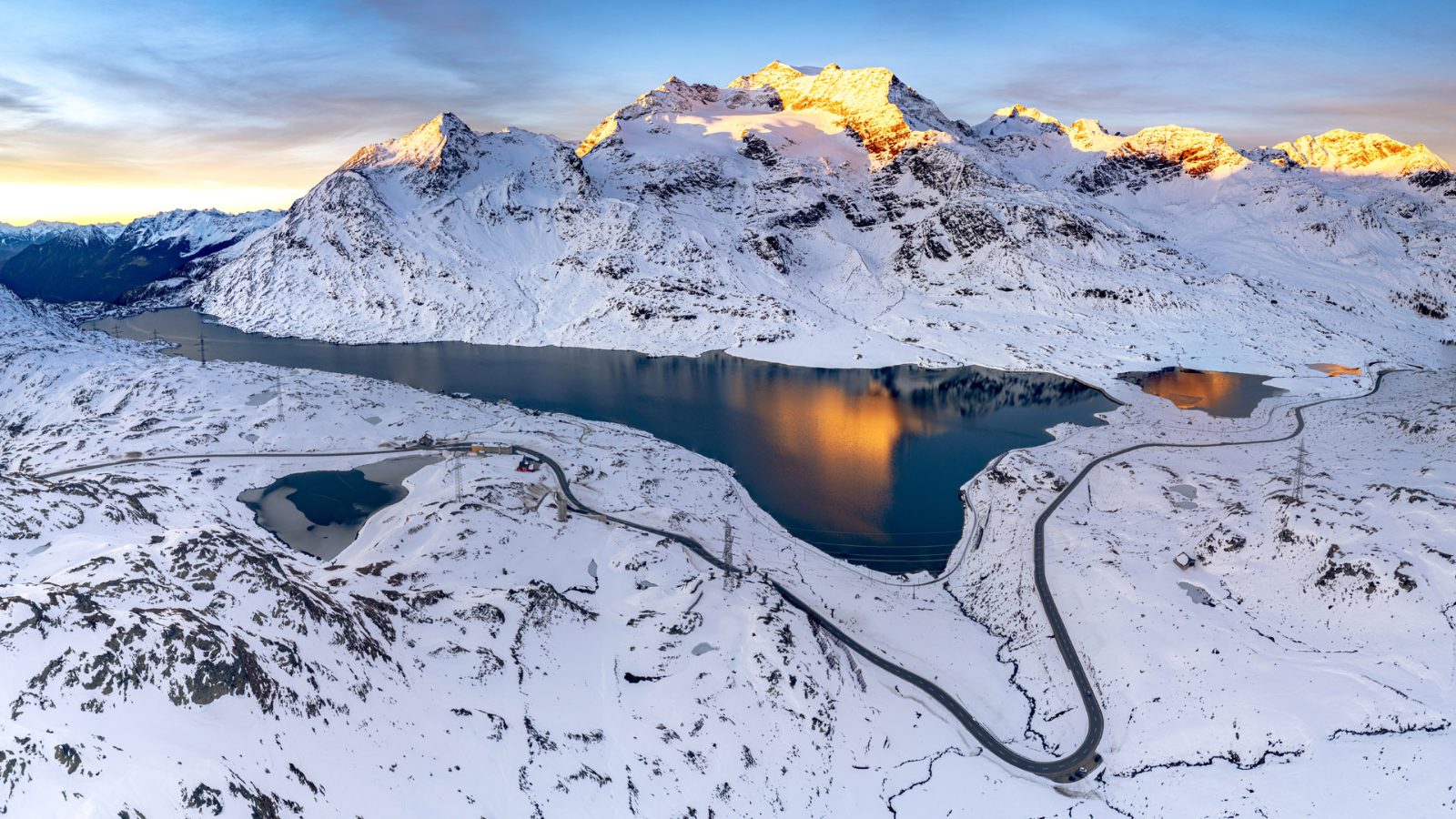
Bernina Pass
30 min by train
This high mountain pass provides immediate access to glacial scenery and alpine trails at an elevation of 2,328 meters.
The Swiss Alps stand two hours north of Milan by regional rail, reachable as a single-day circuit through UNESCO-listed mountain passes. This guide maps the logistics for Bernina Express connections, alpine village timing, and return schedules that close the loop before nightfall.
Quick answer
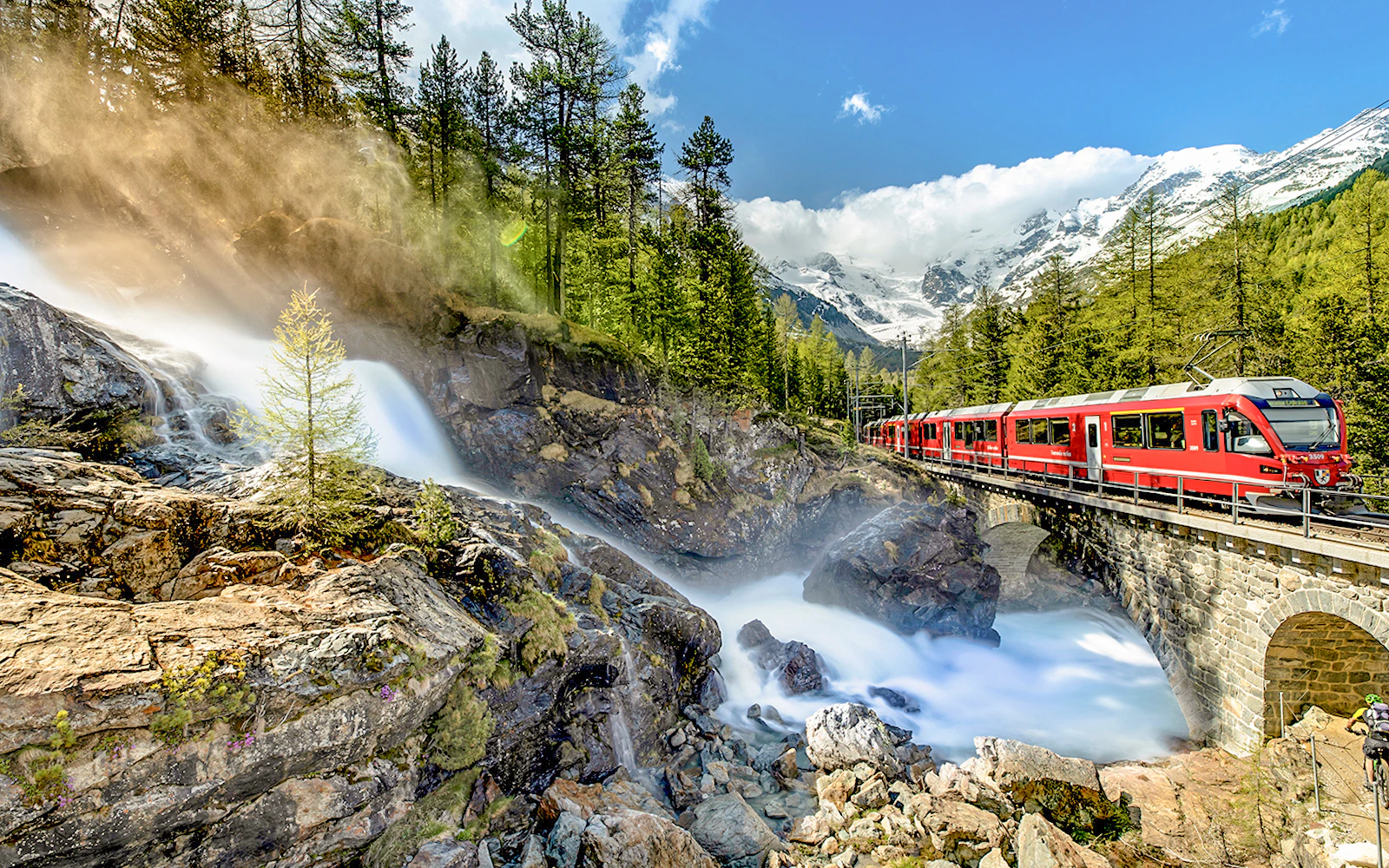
Day trips near Milan reach the Swiss Alps via the Bernina Express, departing Tirano daily from 07:00 to 19:30. The route crosses 196 bridges and 55 tunnels between Italy and St. Moritz, with panoramic cars available for a separate seat reservation fee. Early morning departures from Milano Centrale (05:20 or 06:20) allow six to eight hours in the mountains before the return leg, with free entry to the railway itself and optional stops at Poschiavo or Alp Grüm.
The Bernina Express departs from Tirano, a border town in Valtellina that functions as the southern terminus of the Rhaetian Railway network. Milan's Centrale station runs hourly Trenord services to Tirano in under two and a half hours, positioning the first alpine connection by mid-morning. The railway climbs 1,824 meters without rack assistance, tracing the Poschiavo valley through stone viaducts built between 1908 and 1910, then crossing Ospizio Bernina at 2,253 meters before descending into the Engadin. Panoramic cars feature floor-to-ceiling glass and no air conditioning, a design choice that preserves sightlines across the Morteratsch glacier and Piz Bernina's north face. Standard carriages on the same train offer identical routing without the wraparound glazing. Both options share the same track and schedule; the distinction affects only the cabin layout and reservation cost. The Brusio spiral viaduct, a nine-arch loop that drops 70 meters in 110 meters of horizontal distance, appears 40 minutes south of St. Moritz and marks the engineering signature of the entire line. St. Moritz operates as the northern anchor, a resort commune at 1,856 meters with lake access, funicular connections to Corviglia, and return trains departing hourly until early evening. A six-hour layover permits lunch in the Engadin, a circuit of the lake perimeter, or a cable-car ascent to Piz Nair at 3,057 meters. Shorter stops at Alp Grüm yield direct views of Palü glacier from the station platform, with no village descent required. The return to Tirano takes two and a quarter hours, syncing with Trenord's final Milano-bound departure at 20:42. Lake Como's western branch lies 50 minutes north of Milan by regional train to Como San Giovanni, then a 10-minute walk or bus to the Como Lago ferry terminal. Bellagio, Varenna, and Menaggio form a triangle of landings served by hourly ferries, with the full circuit requiring three to four hours including transfer waits. Villa Carlotta in Tremezzo and Castello di Vezio above Varenna anchor the itinerary, both accessible without advance ticketing. The lake route suits travelers prioritizing water access and shorter transit over alpine altitude, closing as a half-day option when paired with an afternoon return to the city.
“The Bernina line climbs 1,824 meters without rack assistance, crossing 196 bridges between the Valtellina orchards and the Engadin plateau.”
The best arrival window for a day trip to the Swiss Alps from Milan is 07:00–09:00. This early departure maximizes daylight hours for your journey and helps you avoid peak travel congestion.
Warm, 20°C to 25°C in valleys
Longest daylight hours provide maximum time for travel and sightseeing. Expect higher congestion during these months.
Cooler, 10°C to 18°C
Fewer crowds offer a quieter experience while maintaining sufficient daylight for travel. Landscapes transition with seasonal color changes.
Cold, -5°C to 5°C
Snow-covered routes require earlier departures to account for slower transit times. Daylight is significantly limited compared to other seasons.
—
Departing during the 07:00–09:00 window avoids the heaviest commuter and tourist influx. This schedule ensures smoother transit connections.
Verdict: The optimal period is Tuesday to Thursday during the shoulder months of May or October, arriving at the station within the 07:00–09:00 window.
The Swiss Alps are accessible from Milan via a regional rail connection to the transit hub in Tirano. Travelers typically start at Milano Centrale station to reach this gateway.
Regionale train from Milano Centrale to Tirano
Rhätische Bahn (Rhaetian Railway) from Tirano to Swiss destinations
SS36 and SS38 roads to Tirano
To ensure a smooth transition to the scenic rail lines, please arrive at the station within the best arrival window of 07:00–09:00. Head directly to Piazza delle Stazioni 22, 23037 Tirano, Italy, to begin your journey.
The station at Tirano maintains consistent daily operations to facilitate travel transitions. These hours apply throughout the week for passengers coordinating their departures.
Travel access to the railway route is considered public transport, meaning base entry is free with a valid ticket. Additional costs apply only if you choose to occupy specific panoramic cars.
Verdict: A typical adult pays 0 CHF for basic travel, with the total cost changing based on the mandatory seat reservation fee for panoramic carriages.
The region surrounding the transit hub in Tirano serves as a gateway to both Italian alpine culture and high-altitude Swiss landscapes. These locations offer logical extensions for travelers looking to balance rail transit with brief local exploration.
30 min by train
This high mountain pass provides immediate access to glacial scenery and alpine trails at an elevation of 2,328 meters.
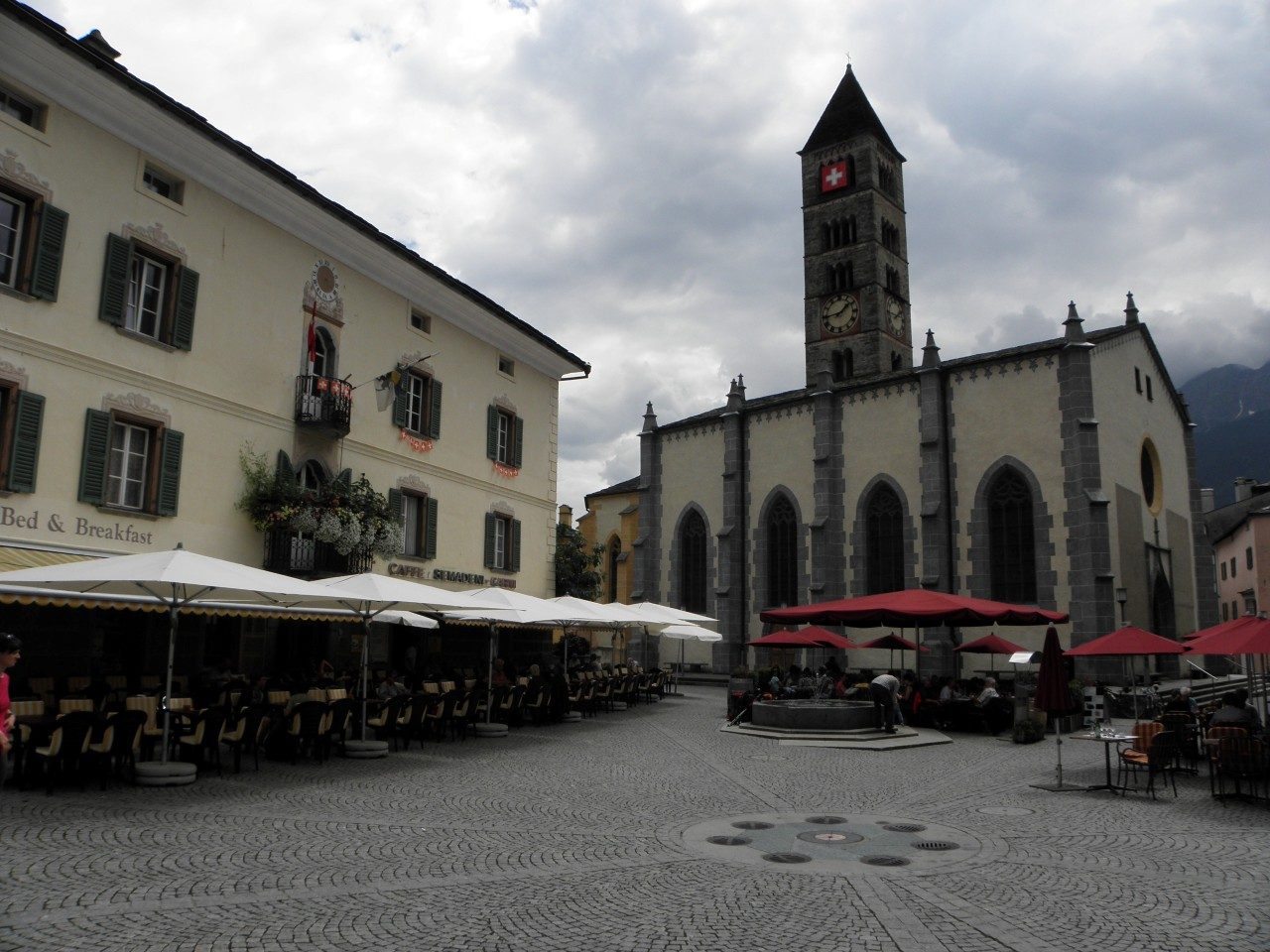
20 min by train
Located just across the Swiss border, this town features traditional Grisons architecture and a tranquil lake setting that contrasts with the larger transit hubs.
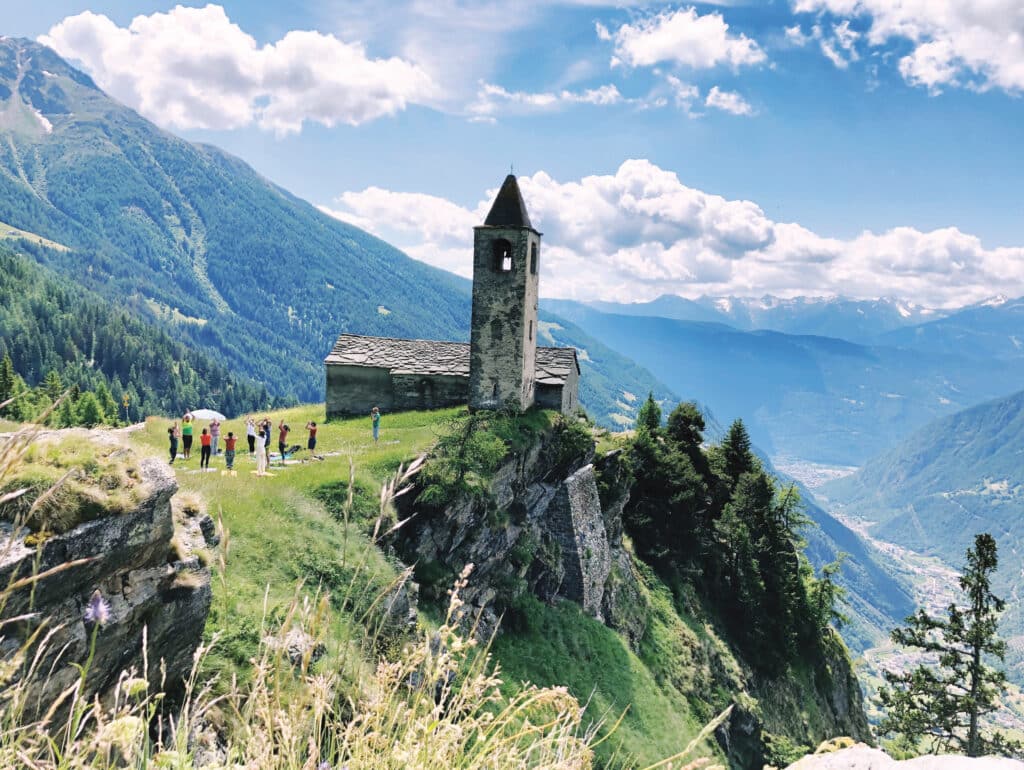
25 min by train
This valley offers extensive hiking paths and cycling routes that complement the rail journey by allowing for closer engagement with the local mountain geography.
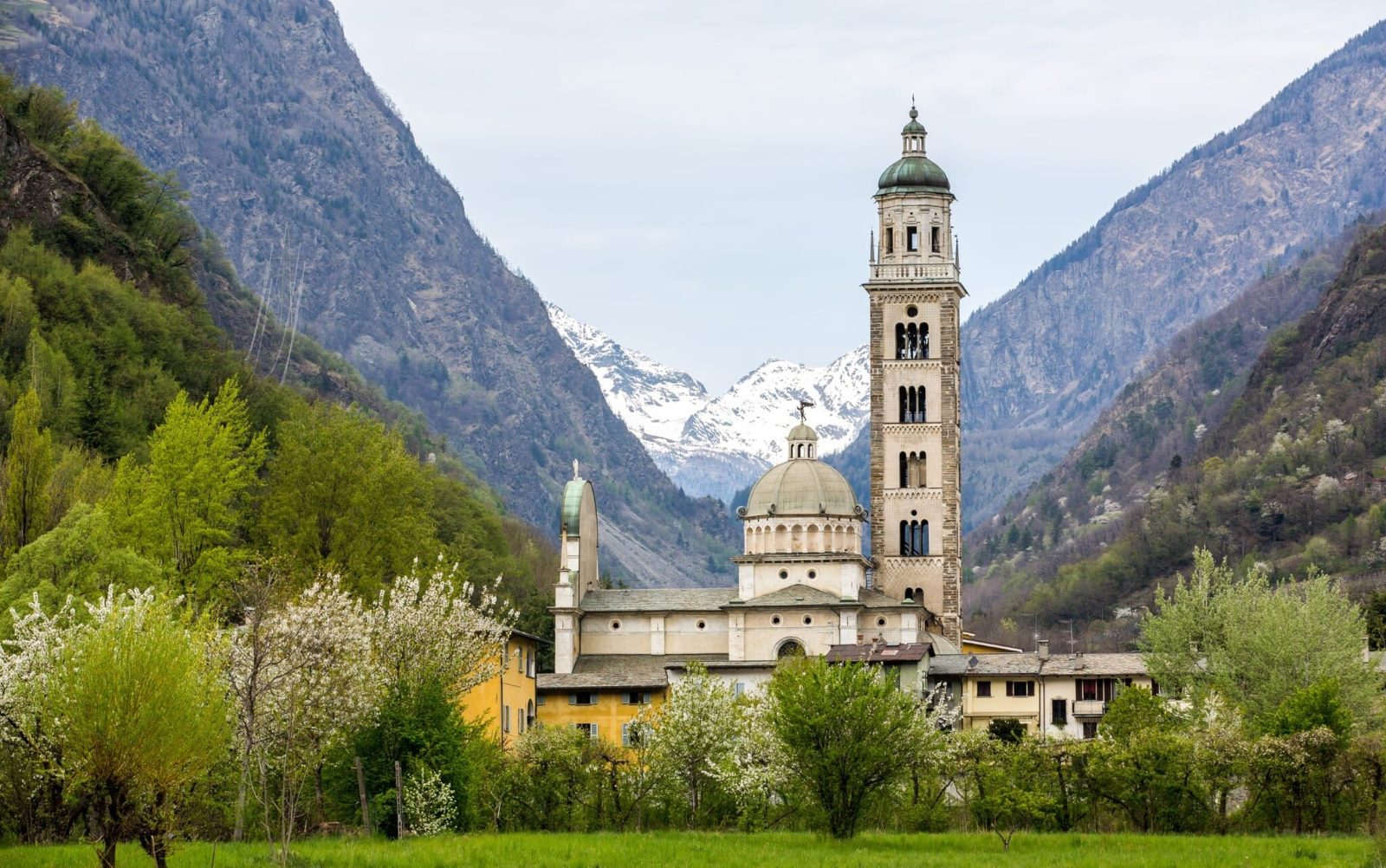
15 min walk
This 16th-century Renaissance sanctuary is situated within walking distance of the station and provides historical context to the region before your departure.
Everything you need to know about day trips near milan
Travelers frequently head toward Tirano to connect with alpine rail networks for day trips near milan. These routes provide direct access to the Bernina region, allowing you to experience high-altitude scenery within a limited timeframe.
Yes, these alpine adventures are designed for efficient transit, provided you plan your connections carefully. A well-structured itinerary allows you to enjoy the mountain views and return to the city by evening.
For the optimal experience, you should aim for an arrival between 07:00 and 09:00. This early departure maximizes your available daylight for the scenic route and helps you avoid midday crowds.
The base travel on these routes is free, with an entry fee of 0 CHF. Please note that a separate seat reservation fee applies specifically if you choose to ride in the panoramic cars.
The rail journeys are suitable for families, offering comfortable seating and accessible facilities. Young travelers often enjoy the views of glaciers and mountain passes from the train carriages.
The most common mistake is failing to verify the train schedule or neglecting to book seat reservations in advance for busy periods. Always check the official site before heading to the station to ensure your travel plans remain uninterrupted.
You can secure your spot by managing your reservations through the official railway operator channels. While standard travel does not require a reservation, booking ahead is recommended for guaranteed seating in specialized scenic carriages.
The primary gateway for these journeys is located at Piazza delle Stazioni 22, 23037 Tirano, Italy. This station acts as the central hub for travelers heading north into the mountains.